Overview
Interdisciplinary Roots
About Our Approach
Our approach is built upon a unique synthesis of behavioral science, design, and cinematic storytelling. By merging these distinct disciplines, we create a methodology that is as analytically rigorous as it is emotionally resonant.
The Science of Interaction
Karel’s foundations in cognitive science, clinical psychology, and human-computer interaction provide a deep understanding of the mechanics of human thought and digital engagement. This academic rigor was forged into practical leadership during his tenure as a senior design executive at IBM. His work co-founding global initiatives, such as the Covid-19 Design Challenge, proved that professional design thinking can be mobilized at scale to solve urgent, real-world problems by empowering talented individuals to apply their skills toward the greater good.
The Art of Storytelling
Carly’s background in filmmaking and documentary production brings a vital narrative dimension to our work. With a career dedicated to exploring complex themes of sustainability, she mastered the ability to translate abstract global challenges into compelling, human stories. Her experience at TeaLeaves demonstrated that visual storytelling is not merely an aesthetic choice, but a powerful tool for influence—one that can bypass traditional barriers to reach the heart of an audience and inspire genuine movement.
Core Principles
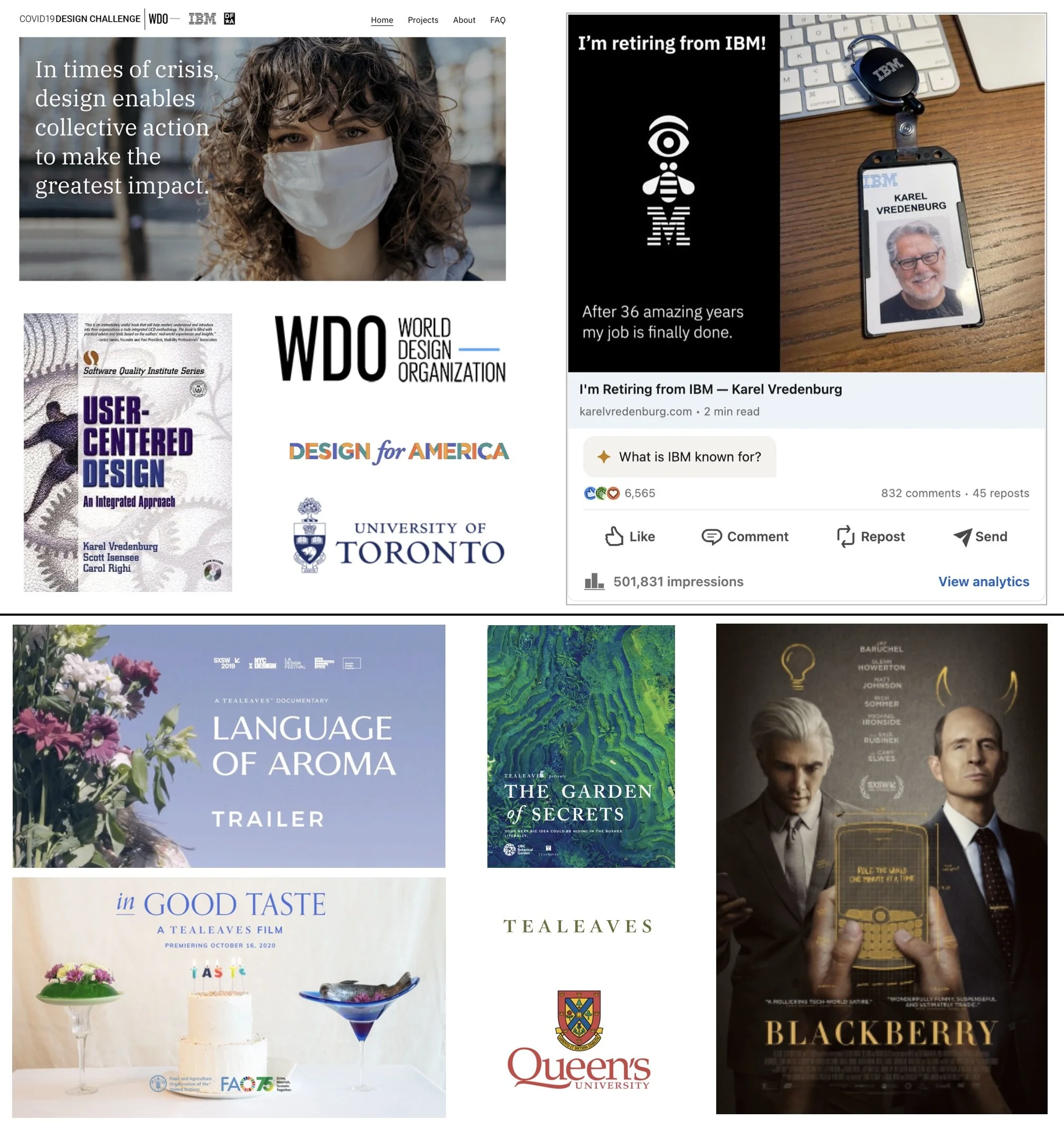
The whole organization follows eight core principles that our founders developed and shared at the kickoff meeting.
Atomic Behaviors: Most people who advocate for change call for drastic all-or-none behavioral adoption. We don’t because the evidence suggests that more gradual change is more enduring. Plus having many people making small changes is also better than a few people making wholesale changes.
Be Positive: It’s also common to see advocates for change sharing negative images and trying to guilt people into making the change. We believe in taking a positive and constructive approach.
Aspirational: We don’t focus on what’s lacking but, instead, on what’s possible. Most people are more inspired to make a change if it will give them something rather than taking something away.
Selfishness over altruism: We believe in encouraging choices that benefit the individual themselves first and secondarily benefit others or the planet.
Meet people where they are: We don’t assume we know what inhibitors or blockers people have about adopting a new behavior so we ask them.
Meaningful reasons: We try to appeal to habit changes that matter most to people rather than specifying them.
Relatable and human-centered: While we use science and expertise, we don’t appeal to experts to pontificate on what is best.
Effective and impactful: We carefully measure to determine the changes we’re making and don’t rely on anecdotes alone.
Foundational Books
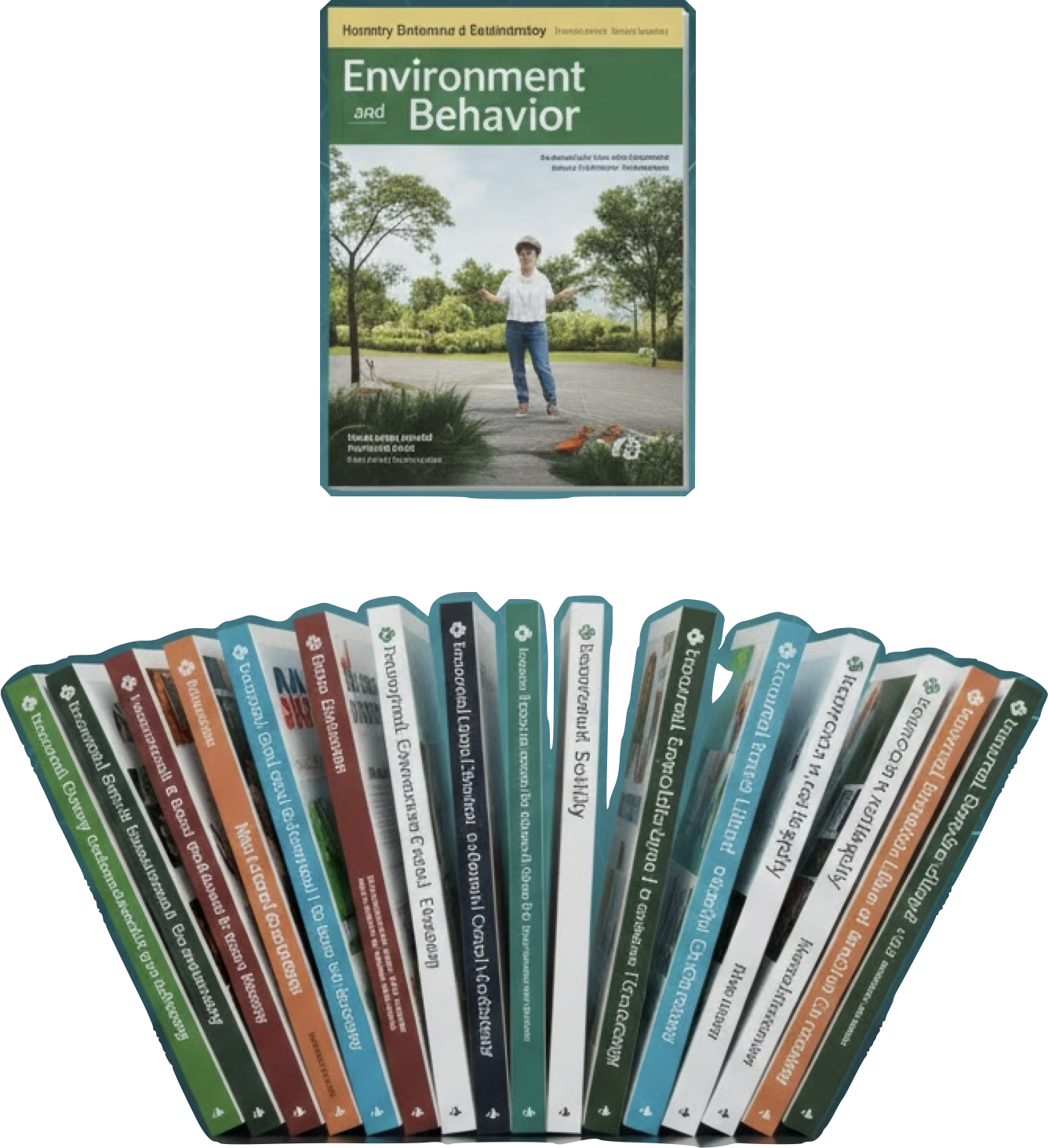
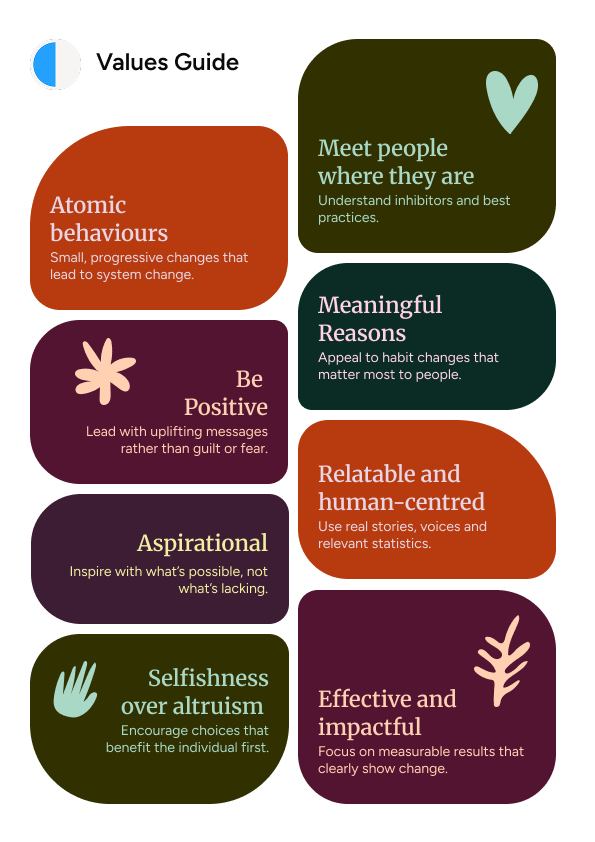
The books shown here influenced the approach we take at Habits for a Better World in a variety of ways from how we deal with expertise to what we assume humans are like, to various evidence-based practices for inspiring behavior change and techniques for forming habits out of behavior change.
Three books stand out regarding their outsized influence.
Moral Ambition
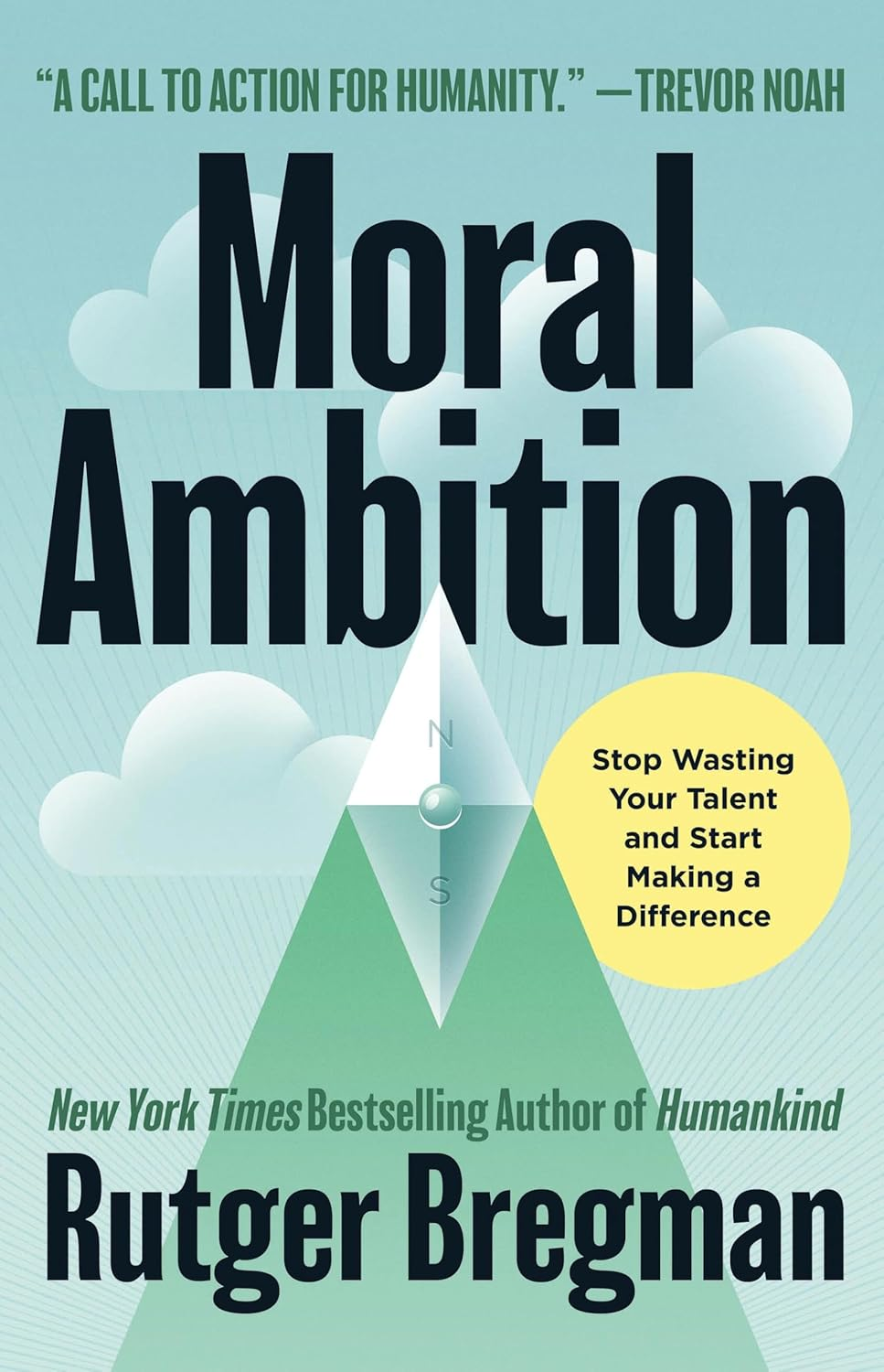
Rutger Bregman’s book “Moral Ambition” came out after we started our project but it so effectively captures the why so many people volunteered to join our organization. It was their moral ambition to use their skills to create a better world. Bregman encourages people to leave their jobs and dedicate themselves to making a better world. However, we believe that people can stay in their jobs to feed their wallets and work with us to feed their souls and make a difference in the world.
Design for a Better World
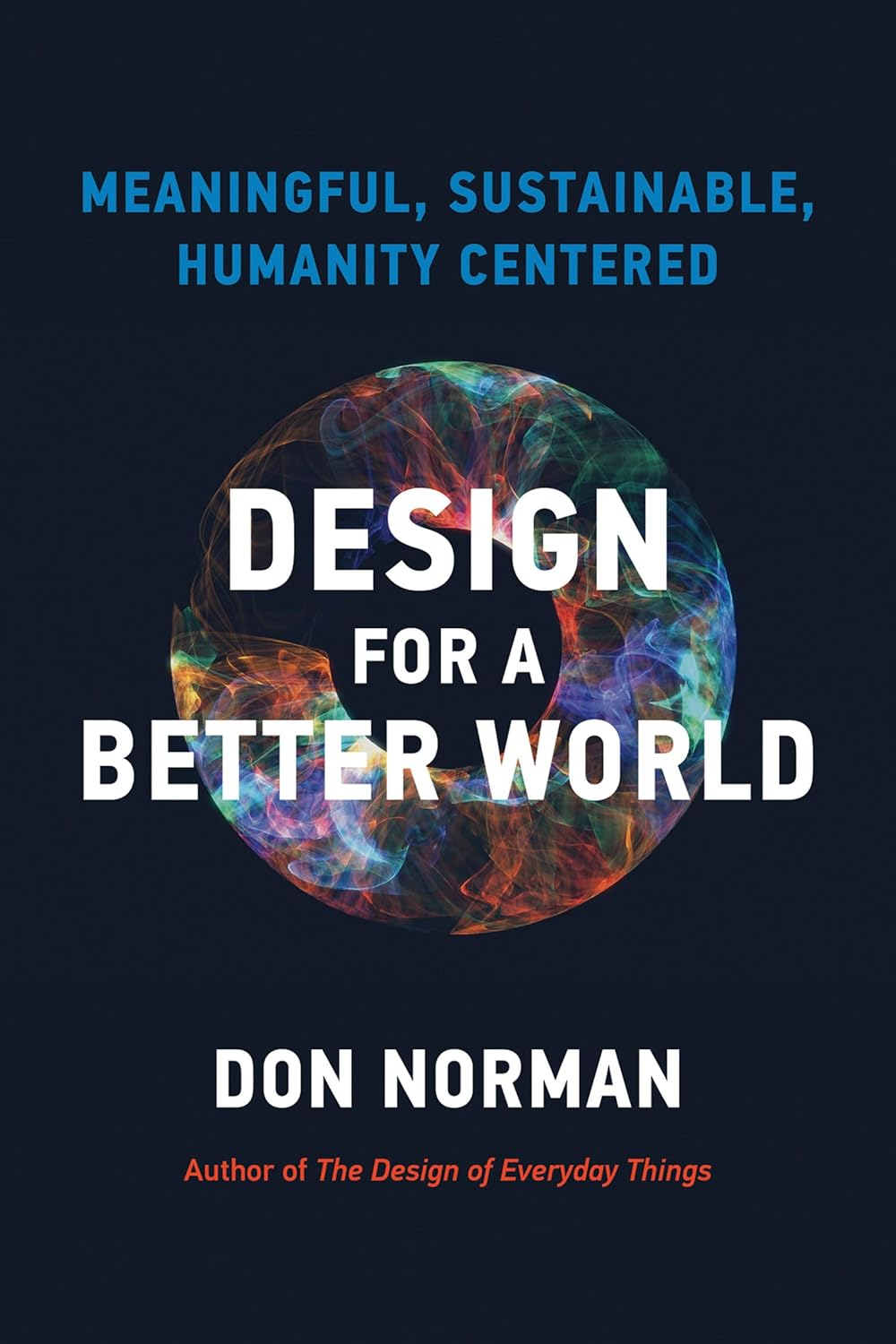
Don Norman’s “Design for a Better World” was written while he and Karel led an initiative called the Future of Design Education. In this book, Don shifts his focus from designing objects to the wicked problems facing global society. He argues that human behavior is both the cause of these problems but also key to fixing them. He makes the case for designers to stop just being “makers of things” and start being “facilitators of change”. HBW designers follow the approach shared in Don’s book and he and Karel’s initiative.
Atomic Habits
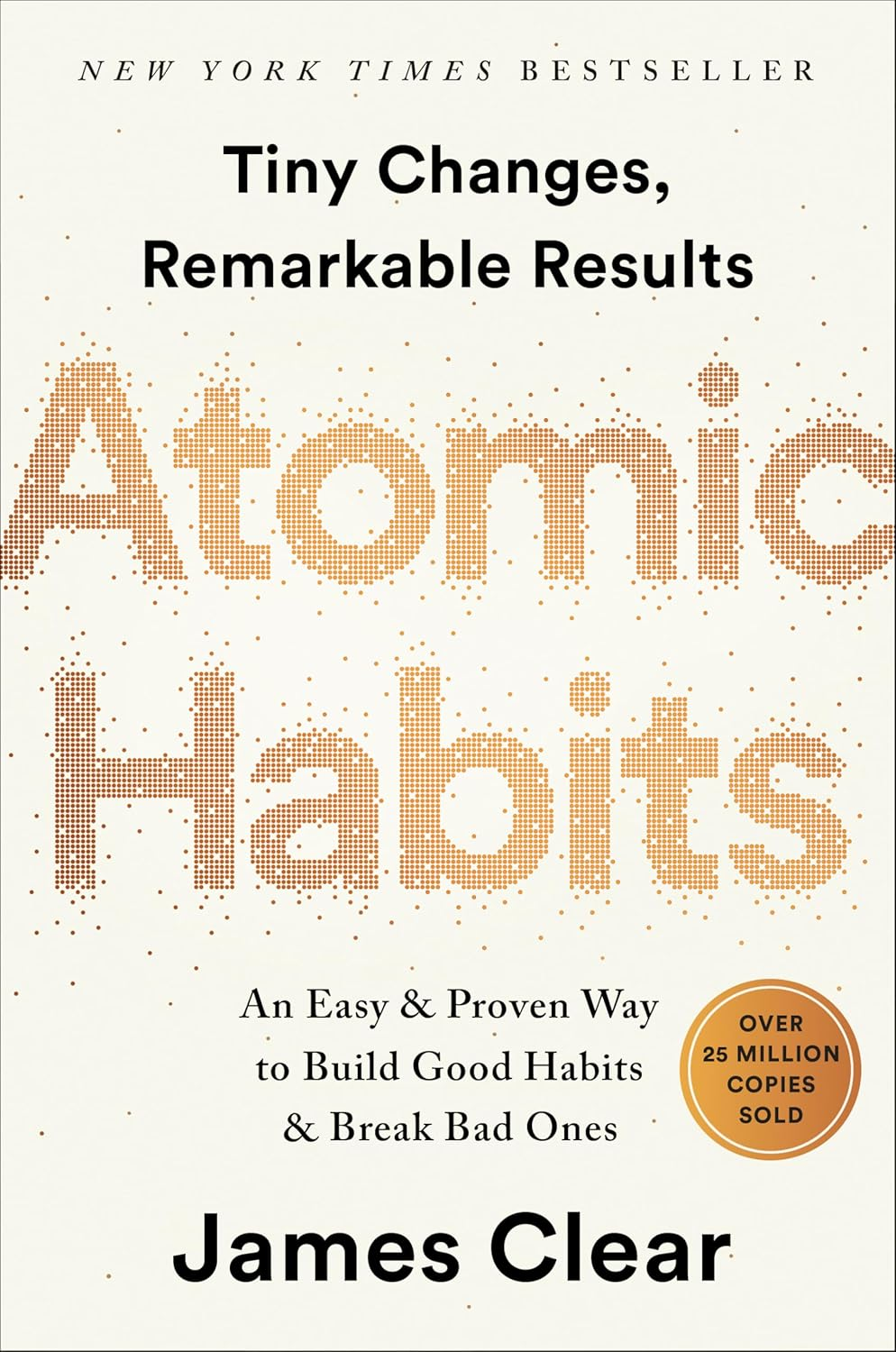
James Clear’s seminal book reinforced key elements of Karel and Carly’s early principles like rejecting an all-or-none approach to a more gradual one.
Habits Challenges Workflow
The process we use to launch a Habits Challenge is inspired by the above and builds on the research and foundation that was outlined in the About section of this website.
What we describe here is the process our teams go through to formulate a Habits Challenge.
Generative research: Our content team mines the synthesized findings from our initial generative research teams for the evidence-based most desired behaviors to promote and the blockers to unblock and the mis- and dis-information to counter. They then use effective communication science to create copy for social media campaigns and science-based habit development practices to provide to the Community Hub moderators.
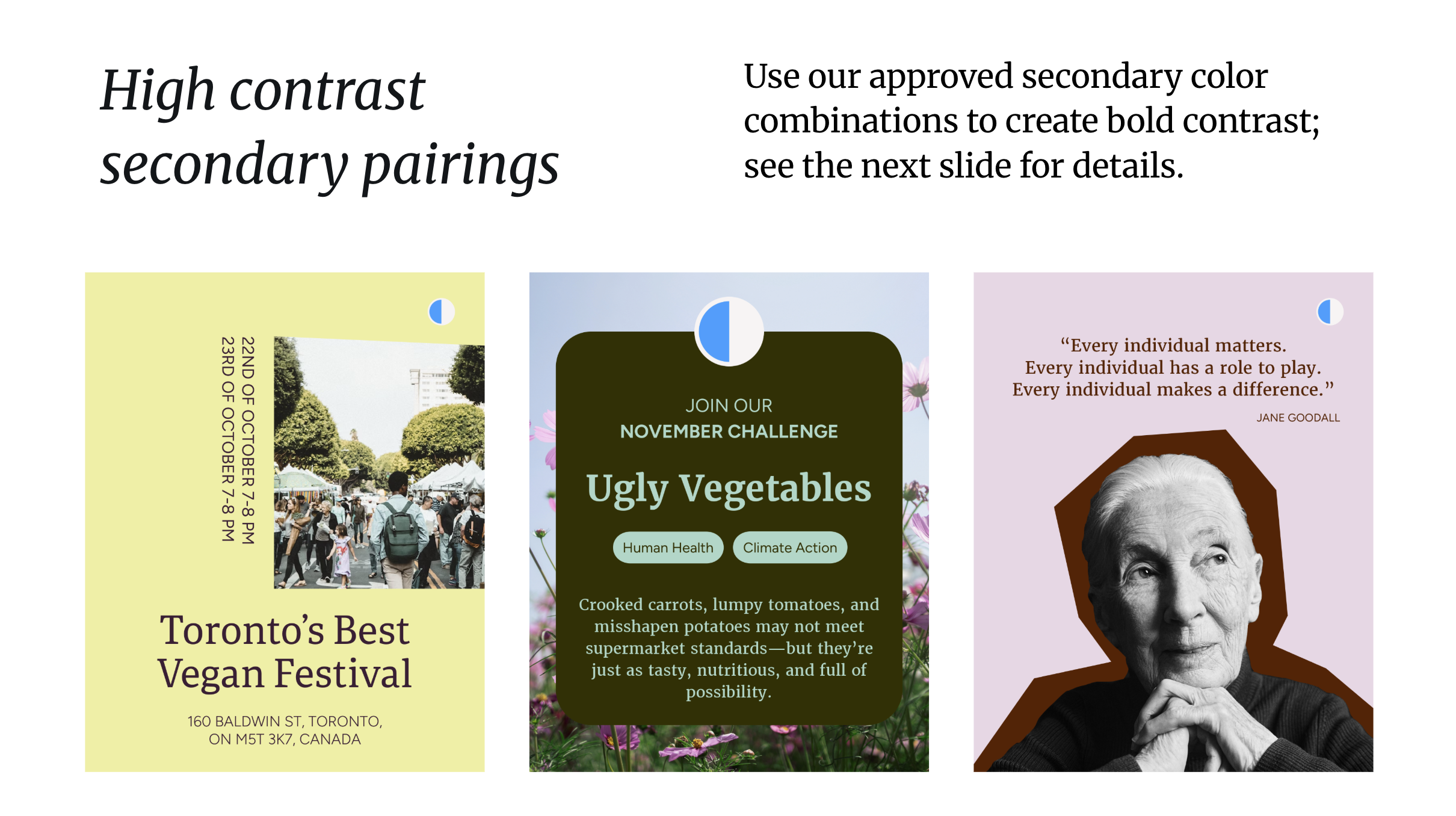
Branding: After having created a full set of Branding Guidelines, for a particular Habits Challenge, our Branding Team selects the key colors from the full color palette and a visual that aligns with the theme of the challenge together with the social media templates.
Social media: Our social media team then picks up the copy from the content team and the brandling elements from the Branding Team and the designers creatively craft campaigns including posts, reels, carousels, etc.
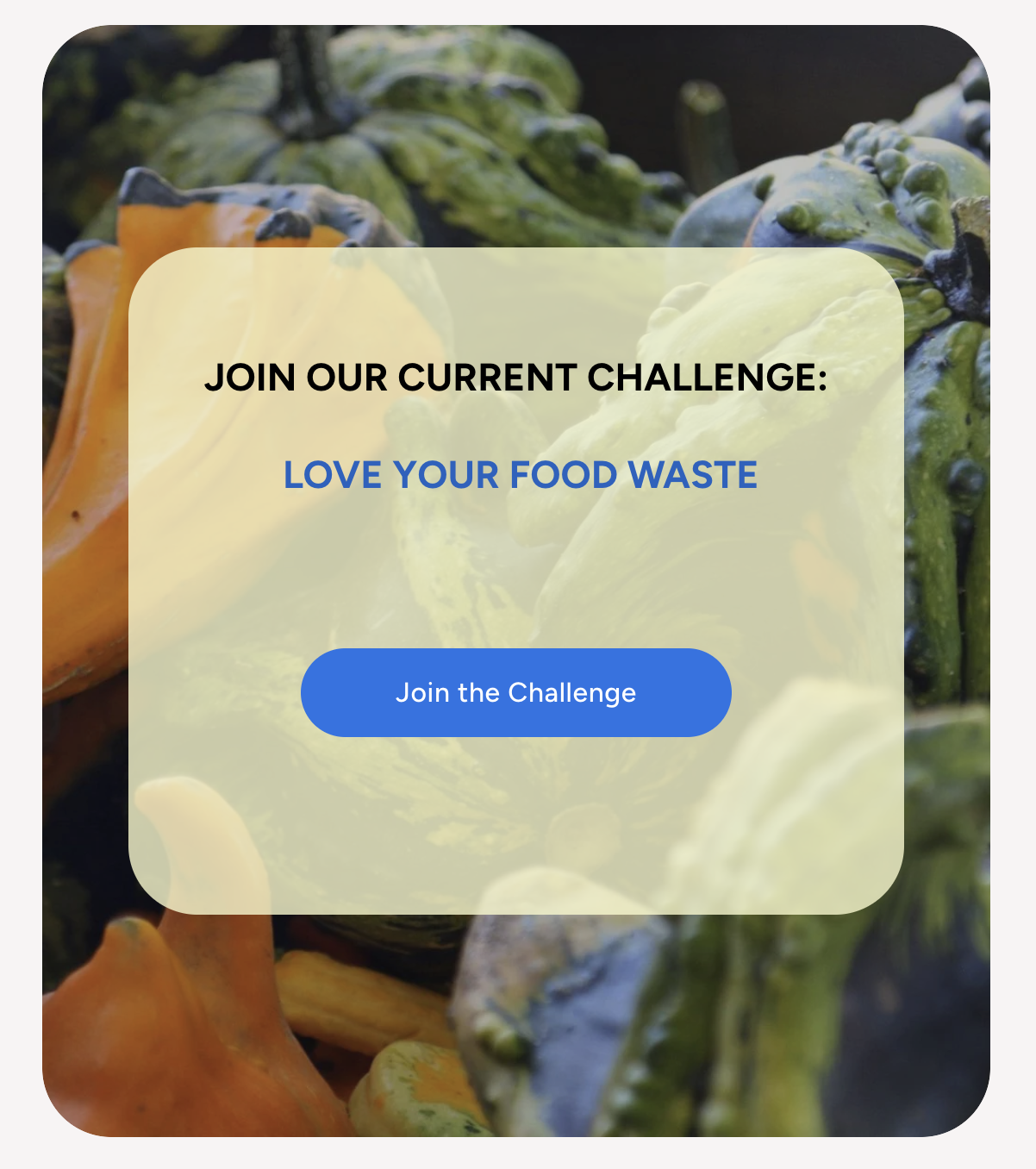
Website: Our website team then updates the home page announcing the next Habits Challenge, adds some social media content to visualize what the challenge is about, and includes other evidence-based content regarding it.
AI Assistant: Finding evidence-based data from reputable sources, synthesizing it, and putting it into optimal machine readable form is the next task of the AI Team. They also then have a battery of tests, including Red Teaming, to ensure the injected knowledge source is accurate, unbiased, and safe.
Community Hub: Here’s where most of the action actually happens during a Habits Challenge. Habits Challenge participants sign into our Community Hub—which is like our own social media space—where moderators make suggestions to participants regarding sub-challenges to try, often giving a few alternatives to consider. The base prompts are provided by our Content Team.
We also have a Growth and Insights Team that focuses on acquiring participants and tracking their experience to us; a UX Research and Impact Team that carries out surveys, studies, and assesses impact through ecologically valid measures and metrics; a Project Management Team that keeps everything on track; and finally we have an In-Person Activation Team that designs and puts on events.